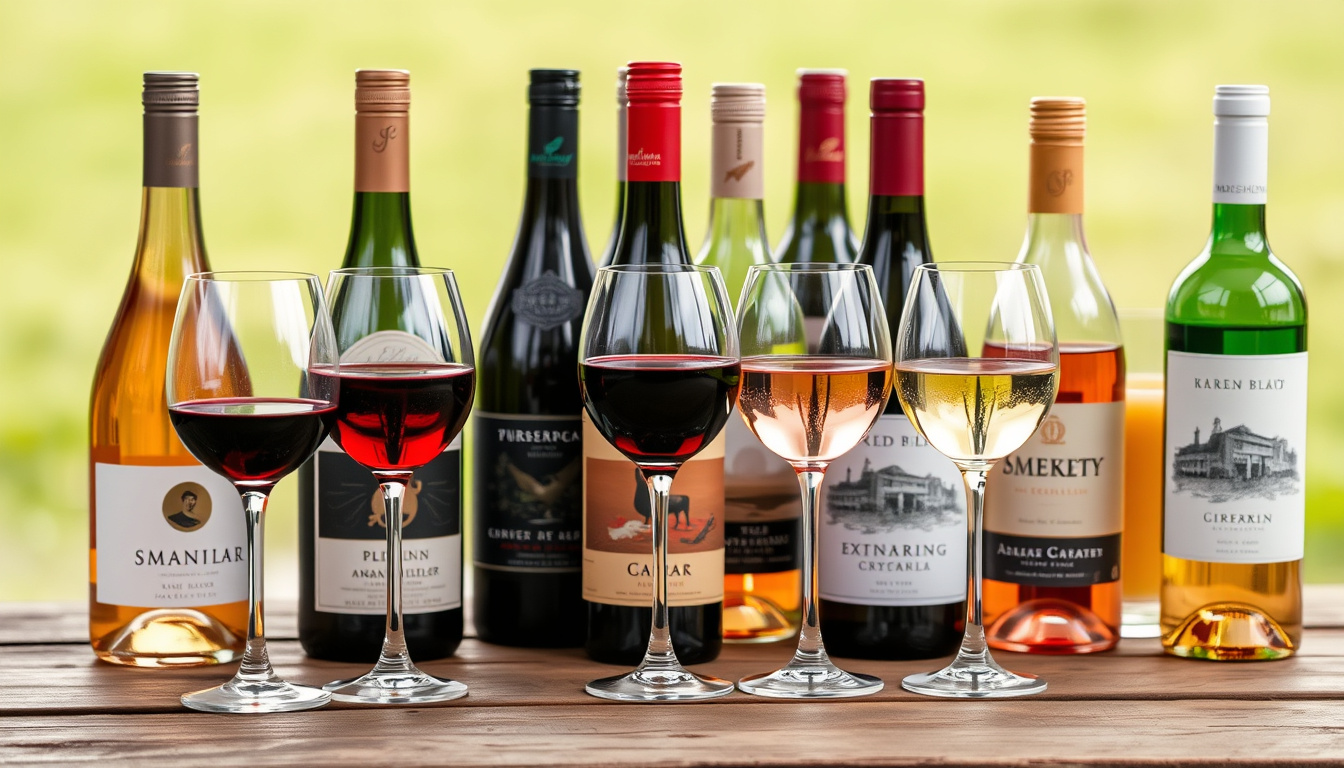
If you’ve ever poured a glass of non-alcoholic wine and wondered whether you’re actually missing out, you’re not alone. Ireland’s shelves are increasingly stocked with bottles that promise the taste of wine without the buzz — and the technology behind them is more sophisticated than most people realize. This guide cuts through the marketing to explain how these wines are actually made, which ones actually deliver on flavour, and where to find them in Irish stores.
Production method: vacuum distillation · Common grapes: Syrah and Cabernet Sauvignon · Tastings reviewed: 50 NA wines blind-tasted · Key process: fermentation then alcohol removal · Availability: Ireland stores like SuperValu, Tesco
Quick snapshot
- Alcohol is removed via vacuum distillation at around 30°C (Wine Folly)
- Wines are fermented first, then dealcoholized (Decanter)
- “Non-alcoholic” can legally contain up to 0.5% ABV (Wine Folly)
- Exact taste equivalence to alcoholic counterparts varies by brand
- Long-term palate satisfaction with NA wines in Ireland not independently tracked
- More Irish supermarkets expanding NA wine ranges beyond reds and whites to rosés and sparklings
- Improved rebalancing techniques may close the flavour gap further
These production parameters explain why quality swings so widely between bottles.
| Attribute | Detail |
|---|---|
| Dealcoholization | vacuum distillation |
| Grapes used | Syrah, Cabernet Sauvignon |
| Tastings | 50 wines blind-tasted |
| Stores | SuperValu, Tesco Ireland |
What is Non-Alcoholic Wine and How is it Made?
Production process
Non-alcoholic wine starts exactly like its alcoholic counterpart — grapes are harvested, crushed, and fermented into wine. The alcohol is removed only after fermentation is complete, meaning the flavour development that happens during fermentation stays intact. Three main dealcoholization techniques exist: spinning cone columns, vacuum distillation, and reverse osmosis. Of these, vacuum distillation has become the preferred method for quality-focused producers because it operates at low temperatures that preserve fragile aroma compounds.
Vacuum distillation method
Vacuum distillation works by reducing the pressure inside a chamber, which lowers the boiling point of alcohol to around 30°C — roughly room temperature. This matters because alcohol normally boils at 78°C, and that heat would strip away the volatile compounds responsible for wine’s aroma and flavour. By evaporating alcohol at 30°C, producers capture those compounds separately and reintroduce them after the bulk of the alcohol is removed (Wine Folly). The method was first patented in Germany in 1907 by Carl Jung, though modern commercial systems emerged with updated standards like OIV-OENO 394A-2012 adopted in 2012 (Decanter).
Oddbird wines use this approach explicitly, distilling at around room temperature to maintain what the producer calls “a true wine experience” (The Buyer). St. Buena Vida builds on similar technology with its patented Solos system, which captures additional aroma compounds post-dealcoholization (Alcohol Professor). Once the alcohol is removed, producers must rebalance the wine for flavour and mouthfeel — a critical step that separates premium bottles from flat, thin-tasting alternatives (Decanter).
Vacuum distillation at 30°C keeps volatile aroma compounds intact where heat-based methods would destroy them — the production method determines whether a NA wine tastes like actual wine or diluted grape juice.
Is non-alcoholic wine really alcohol-free?
Alcohol content levels
The honest answer is: partly. In Ireland and across the EU, the term “non-alcoholic” legally permits up to 0.5% ABV (alcohol by volume). By contrast, “alcohol-free” on a label means 0.0% ABV — technically trace amounts may exist but fall below measurable thresholds (Wine Folly). For context, a ripe banana can register around 0.4% ABV naturally through fermentation. So if you’re pouring a “non-alcoholic” wine and expecting complete zero, you may be consuming a beverage with a fraction of a per cent alcohol — well within legal non-alcoholic limits but worth understanding.
Dealcoholization techniques
The spinning cone column is considered gentler than vacuum distillation or reverse osmosis, using centrifugal force to separate aromatic compounds before alcohol removal (Bibendum Wine). Ara Zero Sauvignon Blanc from New Zealand uses this method and carries 0.5% ABV, available in Irish stockists (Bibendum Wine). Wild Idol takes a different approach — it skips fermentation entirely, starting with unfermented grape juice that is naturally alcohol-free from the beginning and popular in Irish venues (Bibendum Wine).
What the EU regulatory framework permits under OIV-OENO 394A-2012 includes vacuum evaporation, membrane techniques, and distillation as accepted dealcoholisation methods (The Wine Economist). Producers are required to list alcohol content on labels, so consumers can check the actual ABV percentage rather than relying on marketing terms.
Do non-alcoholic wines taste like wine?
Taste test results
Blind tastings of non-alcoholic wines have produced mixed but increasingly positive results as production techniques have improved. Thomson & Scott Noughty, a non-alcoholic white made from Chenin Blanc and Chardonnay carrying less than 0.5% ABV, was rated best overall in recent taste tests by The Independent (The Independent). Vilarnau’s alcohol-free sparkling white was crowned best sparkling wine in 2026 testing, demonstrating that sparkling styles can compete with traditional wines (The Independent).
Blind tasting insights
The reality is that quality varies dramatically by producer and price point. Premium vacuum-distilled wines using Syrah and Cabernet Sauvignon grapes tend to deliver fuller body, more complex aromatics, and better balance than budget options. A German Pinot Noir that uses vacuum distillation at 32°C received praise for maintaining varietal character (The Independent). Einstein Zero Sparkling Riesling, imported to Ireland, scored 89 points in one tasting with noted medium body and a clean finish — though this rating came from a YouTube producer rather than a formal publication.
The 89-point rating for Einstein Zero at €11.95 in Ireland deserves scrutiny — that score originates from a YouTube producer, not an established wine critic, so shoppers should treat it as unverified consumer feedback rather than authoritative quality assurance.
The consensus among experienced tasters is that non-alcoholic wines generally taste lighter and less complex than their alcoholic counterparts — but the gap has narrowed significantly in recent years. Red wines remain the hardest category to replicate, while white and sparkling styles perform best in blind tastings.
Am I still sober if I drink non-alcoholic wine?
Sober effects
Yes — if the bottle is genuinely non-alcoholic (under 0.5% ABV) or alcohol-free (0.0%), you will not feel intoxicated. The negligible alcohol content in compliant non-alcoholic wines is not enough to cause impairment, produce a buzz, or affect blood alcohol concentration in any meaningful way. This makes non-alcoholic wines a practical option for designated drivers, people in recovery, pregnant women avoiding alcohol, or anyone who enjoys the ritual of wine without the physiological effects.
Health considerations
From a liver health perspective, non-alcoholic wine eliminates alcohol-related risks entirely. Even moderate alcohol consumption carries liver disease risk over time; a zero-alcohol alternative removes that burden. Some non-alcoholic wines retain antioxidants (like resveratrol) from the grapes, though in lower concentrations than alcoholic wine. The rebalancing process producers use to restore flavour sometimes adds sugar or other ingredients — so checking labels for added sugars or preservatives matters if you’re monitoring intake for health reasons.
For people with liver conditions, those in addiction recovery, or pregnant women, the choice is clear — choosing “alcohol-free” labelled products eliminates physiological risk entirely, whereas “non-alcoholic” bottles technically contain trace alcohol within legal limits.
Best non-alcoholic wine options in Ireland
SuperValu selections
SuperValu stores across Ireland stock a growing range of non-alcoholic wines, with Syrah and Cabernet Sauvignon-based reds among the more reliably available options. Whelehans Pharmacy also carries a curated non-alcoholic selection that goes beyond what most supermarkets offer, including specialty varieties. SuperValu’s own-brand and partnered alcohol-free wines tend to focus on vacuum-distilled production to preserve the grape character, and prices generally range from €8 to €15 per bottle.
Tesco Ireland picks
Tesco Ireland has expanded its alcohol-free section in recent years, with wines stocked both in the wine aisle and near the alcohol-free beer displays. The retailer offers red, white, and rosé non-alcoholic options, though selection varies by store location. Tesco’s online grocery platform often shows a broader range than physical stores, making it a useful resource for checking availability before travelling.
Lidl and Dunnes
Lidl’s wine selection rotates seasonally, with non-alcoholic options appearing during holiday periods and summer months. Dunnes Stores similarly carries alcohol-free wines, though the range tends to centre on higher-volume household formats rather than premium boutique bottles. Obriens alcohol-free drinks section stocks multiple producers and can be a good option for finding brands not available in supermarkets — the retailer has built a reputation for curating emerging alcohol-free producers.
Upsides
- Vacuum distillation preserves genuine wine aroma compounds
- Accessible at SuperValu, Tesco, Lidl, and Dunnes across Ireland
- Certified alcohol-free options available for those requiring zero ABV
- Sparkling styles like Vilarnau score competitively in blind tastings
- Removes all alcohol-related health risks while preserving wine ritual
Downsides
- “Non-alcoholic” legally permits up to 0.5% ABV — not zero
- Red wines remain the weakest NA category for flavour replication
- Price-to-quality ratio often lower than alcoholic equivalents
- Store selection varies significantly by location and season
- Some producers add sugar during rebalancing to mask flavour gaps
The practical takeaway is that Irish shoppers should check supermarket websites before visiting stores, and those seeking specialty bottles should head to Obriens or Whelehans for a wider curated selection.
Related reading: Best Vacuum Cleaner Australia · Black Forest Cake Recipe
Frequently asked questions
Does non-alcoholic wine preserve full aroma?
Premium vacuum-distilled wines preserve a significant portion of aroma compounds, but not necessarily “full” aroma compared to alcoholic wine. The process of dealcoholization and rebalancing inevitably changes the flavour profile. Quality producers like Oddbird and St. Buena Vida use advanced techniques to capture and reintroduce aromatics post-dealcoholization, resulting in wines that smell and taste more authentically of grapes — but even these fall slightly short of the aromatic complexity of traditional wine.
What grapes are used in non-alcoholic wine?
The same grapes used in alcoholic wine production are used for non-alcoholic versions. Common choices include Syrah and Cabernet Sauvignon for reds, and Chenin Blanc, Chardonnay, and Sauvignon Blanc for whites. These varieties are selected for their flavour intensity and fermentation character — qualities that survive the dealcoholization process better than neutral grapes.
Is non-alcoholic wine healthy for the liver?
Non-alcoholic wine eliminates the liver stress caused by alcohol, making it significantly healthier from a liver perspective. However, some non-alcoholic wines contain added sugars during the rebalancing process, which may affect other health considerations. The grapes in non-alcoholic wine may retain some antioxidants like resveratrol, though typically in lower concentrations than alcoholic wine.
Where can I buy non-alcoholic wine in Ireland?
Major retailers stocking non-alcoholic wine in Ireland include SuperValu, Tesco Ireland, Lidl, and Dunnes Stores. For a broader selection beyond mainstream supermarkets, Whelehans Pharmacy and Obriens alcohol-free drinks section carry curated ranges with specialty producers. Tesco’s online platform often shows the widest selection for home delivery.
What is Hollow Leg non-alcoholic wine?
Hollow Leg is a brand of non-alcoholic wine available in some Irish retailers. The brand focuses on quality-focused production using dealcoholization techniques that preserve flavour. Consumer reviews note decent body and flavour for the price, though independent taste ratings are limited. Checking availability at SuperValu or Obriens would be the best way to find current stock.
How does dealcoholization affect taste?
Dealcoholization removes the weight and warmth that alcohol contributes to wine’s mouthfeel, making non-alcoholic wines feel lighter on the palate. The aroma compounds survive better with vacuum distillation than heat-based methods, but the overall flavour profile is often slightly muted compared to alcoholic equivalents. Producers compensate through rebalancing — adding concentrates, adjusting acidity, or sweetening — which can either enhance or detract from authenticity depending on execution.
Are there sparkling non-alcoholic wines?
Yes, sparkling non-alcoholic wines are widely available and generally among the highest-performing styles in blind tastings. Vilarnau’s alcohol-free sparkling white won “best sparkling” in 2026 testing, and Einstein Zero Sparkling Riesling (available in Ireland at €11.95) received an 89-point rating. The carbonation helps mask the lighter body of dealcoholized wine, making sparklings feel more like traditional wine.
What the experts say
Blind tasting is the only honest way to judge non-alcoholic wine. When you know what you’re drinking, expectations cloud everything.
— Wine tasting methodology (established review practice)
Vacuum distillation at low temperatures preserves the character of the grape in a way that earlier methods simply couldn’t. It’s the difference between a wine that tastes like wine and one that tastes like grape juice.
— Decanter (wine publication)
The spinning cone column is gentler than vacuum distillation or reverse osmosis — but gentleness alone doesn’t guarantee quality. The producer’s skill in rebalancing matters just as much.
— Bibendum Wine (UK wine specialist)
For Irish shoppers, the choice between non-alcoholic and alcoholic wine comes down to what you’re optimizing for. If you want the full aroma, complexity, and mouthfeel of traditional wine, alcoholic versions still win — particularly for reds. If you’re avoiding alcohol for health, pregnancy, or sobriety reasons, vacuum-distilled non-alcoholic wines from SuperValu, Tesco, or specialty retailers deliver genuine wine character without the buzz. The market is improving annually, and the gap between “non-alcoholic” and “wine” continues to narrow.

Rachel Walsh leads fact-checking, source verification and corrections at Aussie Report.