The Final Destination franchise has a reputation for inventive gore and cheeky death tricks — but somewhere between sequels, the series lost its nerve. Final Destination 5 (2011) is the one that got it back. It brought back the writer of the original, cranked up the 3D, and pulled off a twist ending that actually made the whole mythology click into place. If you never caught it in theaters, or if you watched on a streaming pillow and missed the prequel reveal, here’s everything that matters — and a few things that might surprise you.
Release Year: 2011 · Director: Steven Quale · Writer: Eric Heisserer · Lead Actor: Nicholas D’Agosto · Key Premise: Bridge collapse vision
Quick snapshot
- Prequel reveal ties directly to Final Destination (2000) (MovieWeb)
- Rotten Tomatoes score: 62% from 135 critics — the series’ first fresh rating (Final Destination Fandom Wiki)
- Worldwide gross: $118.2 million (Final Destination Fandom Wiki)
- Exact production budget figure (Final Destination Fandom Wiki)
- Current streaming rights holder for this title (Final Destination Fandom Wiki)
- CinemaScore audience grade not publicly confirmed (Final Destination Fandom Wiki)
- Prequel events occur: May 13, 2000 (ScreenRant)
- Film premiere: August 12, 2011 (Wikipedia)
- Original Final Destination released: March 17, 2000 (ScreenRant)
A film that costs about $40 million to produce and earns $118 million worldwide sounds like a hit — but the math gets complicated when you split it by franchise position and critical trajectory. Here are the hard data points.
| Field | Value |
|---|---|
| Director | Steven Quale |
| Release Year | 2011 |
| Genre | Supernatural Horror |
| Format | 3D |
| Runtime | 92 minutes |
| Franchise Entry | Fifth installment |
Is Final Destination 5 a prequel to the first one?
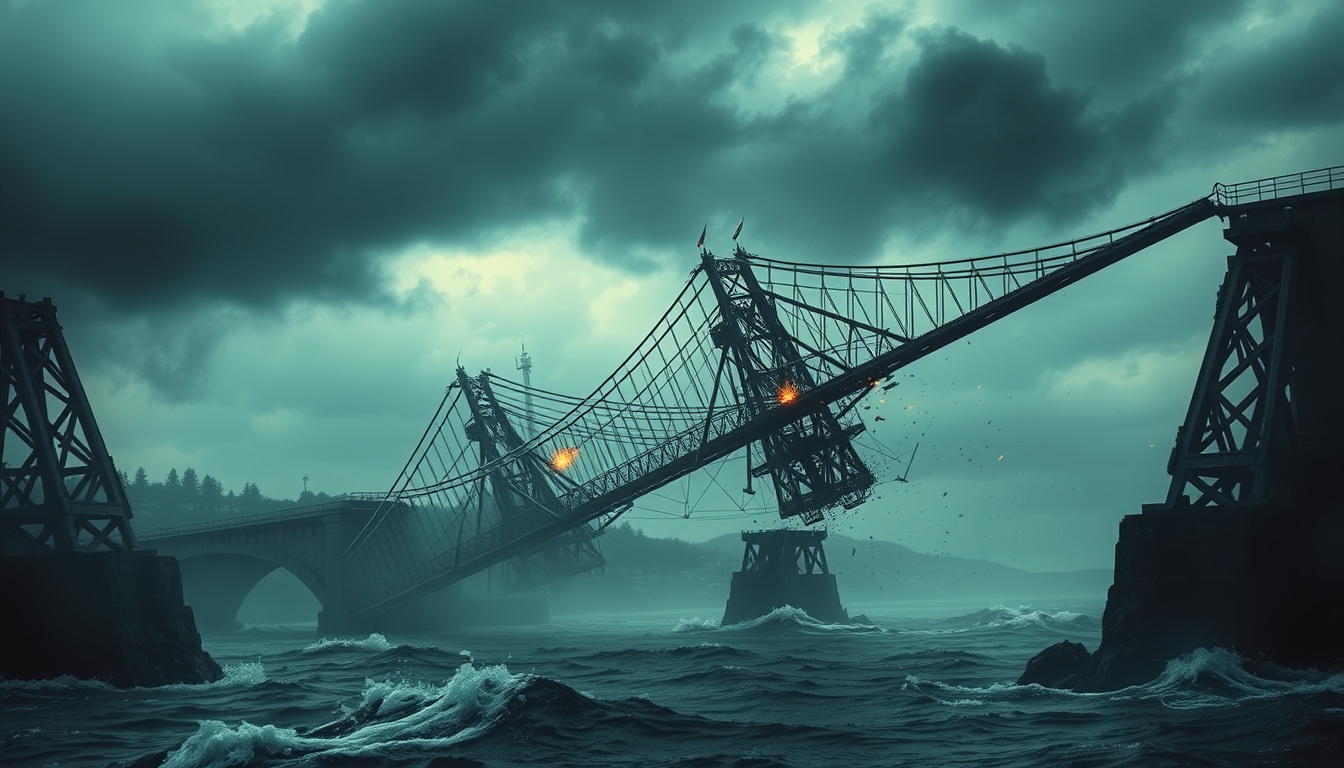
For most of the runtime, Final Destination 5 plays like a standalone entry in the series. Sam Lawton (Nicholas D’Agosto) has a premonition of the North Bay Bridge collapsing during a bus trip, warns his friends, and watches the disaster unfold in miniature while everyone who ignored him dies in the actual collapse. Standard franchise setup.
Then the credits roll — and everything snaps into place. The end credits show a montage of death scenes from the previous films, which is itself a clue. But the real twist comes when Sam and Molly board Volée Airlines Flight 180 on May 13, 2000, and see Alex Browning already seated. That’s the same plane crash that opens the original Final Destination, released in 2000 (MovieWeb). Final Destination 5 doesn’t just reference the first film — it precedes it.
The clues are layered throughout the film for anyone paying attention. Sam’s plane ticket is dated May 13, 2000. There’s a notable absence of modern technology like texting. The credits montage of past death scenes isn’t decoration — it’s a signature of what comes next (ScreenRant). The twist unifies the franchise by connecting directly to the original plane crash, closing a loop that the series had been circling for over a decade (Bloody Disgusting).
The prequel reveal only fully works on first viewing if you don’t already know the original’s disaster. Rewatches trade the surprise for spotting the planted clues — which is its own reward.
What’s the plot twist in Final Destination 5?
The premonition sequence itself is the plot. Sam sees a bus crossing the North Bay Bridge when the structure gives way mid-span. In the vision, he pulls Molly off the bus; everyone who got on without them dies. In reality, Sam screams at the group to get off the bus. The bridge collapses exactly as predicted, and the survivors find themselves targeted by Death’s unfinished ledger.
What makes this sequence stand out is the scale and execution. The North Bay Bridge collapse opening has been called spectacular, nerve-janglingly effective, and a stunner of an opener by critics ranging from Eric D. Snider (Film.com) to the New York Post and Los Angeles Times (Wikipedia). Boxoffice Magazine called it one of the best sequences of the year. It’s consistently compared to Final Destination 2’s pile-up in terms of spectacle and tension (Final Destination Fandom Wiki).
The prequel revelation at the end reframes the entire film. Sam and Molly make it off the bridge, but Death wasn’t finished with them — only delayed. When they board Flight 180 and spot Alex Browning already seated, the audience understands that the real disaster has been waiting for them. The credits montage of previous death scenes is the film foreshadowing its own position in the cycle (Bloody Disgusting).
What this means: Sam and Molly’s survival at the bridge isn’t escape — it’s a postponement that places them directly in the path of Flight 180, the disaster that opens the entire franchise.
Is Final Destination 5 hit or flop?
By raw box office numbers, it performed solidly for its budget. Opening weekend brought in $18.4 million at #3, the third biggest in the franchise behind The Final Destination ($27.4 million) and Final Destination 3 ($19.1 million). Total worldwide gross reached $118.2 million ($41.9 million domestic, $76.3 million overseas) (Final Destination Fandom Wiki).
What matters more for this franchise is critical reception. Final Destination 5 scored 62% on Rotten Tomatoes from 135 critics with a 5.9/10 average — the first fresh rating in the series. Metacritic gave it 50/100 based on 24 reviews (Wikipedia). For context, The Final Destination (2009) had been widely dismissed as the weakest entry; Final Destination 5 improved in suspense, 3D use, visual effects, and inventive deaths (MovieWeb).
The praise that landed hardest from critics focused on two things: the 3D and the deaths. Richard Roeper praised the great use of 3D from opening credits to final kill. Todd Gilchrist called it the best 3D horror movie ever made. Roger Ebert said the special effects do an excellent job of beheading, incinerating, vivisecting, and squishing. In 2017, Bloody Disgusting named it the best sequel for its opening, deaths, gore, mythology, and ending (Wikipedia).
The $40 million production budget was a relative bargain for a 3D horror film in 2011. Against a $118 million worldwide gross, it cleared its nut — but the real win was rehabilitating a franchise that audiences and critics had written off.
Five films in, the franchise’s commercial peak was still behind it. The numbers put FD5 solidly in the middle of the pack — profitable, but not the comeback story that a top-three franchise position might suggest.
What’s the worst death in Final Destination 5?
Final Destination 5 holds the distinction of having the bloodiest deaths in the franchise, followed by FD3 and FD2 (MovieWeb). But bloodiness alone doesn’t rank a death scene — the franchise measures deaths by how inventive the setup is, how long the audience is kept guessing, and how viscerally the payoff lands.
The standout is the gymnastic set piece. An aspiring gymnast’s practice routine becomes a death trap when the equipment malfunctions in ways that require a specific sequence of failures — each one plausible on its own, catastrophic in combination. Critics called it anxiety-filled and inventively grotesque, with Hitchcockian suspense framing the whole sequence (Wikipedia). Collider’s franchise-wide death ranking for the 20th anniversary placed several FD5 kills among the most memorable in the series (Collider).
Other notable deaths include an eye surgery gone wrong and the bridge falls themselves. Film.com described the deaths as being set up like a joke and a magic trick — you see the setup, you think you know where it’s going, and then the punchline arrives sideways. Director Steven Quale stages the violence inventively, and the 3D format adds a spatial dimension that previous entries in the series didn’t have (Final Destination Fandom Wiki). Suspense and unpredictable deaths one-upped the predecessors across the board (MovieWeb).
How long did Iris cheat death?
The character most associated with the “cheating death” mechanic in Final Destination 5 is actually Sam Lawton and the survivors who escape the bridge collapse. The franchise’s recurring pattern is that characters who should have died in the initial disaster get picked off in subsequent accidents — Death is patient, but never cheated.
What Final Destination 5 adds to this pattern is the twist that Sam and Molly survive the entire film only to board Flight 180, which means they don’t escape Death — they only change the timing. The original Final Destination established that the survivors of Flight 180 were all Death’s quarry in sequence; FD5 shows you the queue was longer than anyone knew. The film layers clues throughout, from Sam’s plane ticket dated May 13, 2000 to the absence of modern texting technology, all foreshadowing the inevitable (ScreenRant).
The accident that saves one character’s life in FD5 ends up placing them in a later position in Death’s queue — which the film uses to devastating effect in the prequel reveal. Nothing is random; everything is a postponement. For fans, this made the franchise mythology feel tighter than it had in years (Bloody Disgusting).
Four franchise films compared on critical reception, 3D quality, and twist impact.
| Film | Rotten Tomatoes | 3D | Prequel twist |
|---|---|---|---|
| Final Destination (2000) | 66% | No | No — original |
| Final Destination 2 (2003) | 52% | No | No |
| The Final Destination (2009) | 28% | Yes | No |
| Final Destination 5 (2011) | 62% | Yes | Yes — links to FD1 |
The comparison reveals a franchise split: its two 3D entries diverged sharply on execution quality. The Final Destination’s 3D was treated as a gimmick; FD5’s native 3D was called shockingly effective by Todd Gilchrist. The prequel twist also gives FD5 a narrative function no other sequel has matched.
Upsides
- First fresh Rotten Tomatoes rating in the franchise (62%)
- Bridge collapse widely praised as franchise-best opening sequence
- Prequel twist actually resolves — rather than extends — the mythology
- 3D used natively and effectively, not as post-conversion padding
- Inventive, memorable death sequences with Hitchcockian suspense
Downsides
- Opening weekend ($18.4M) behind two prior franchise entries
- No confirmed production budget makes true profitability uncertain
- Metacritic score (50/100) suggests mixed critical consensus
- Franchise effectively ended after this entry — no theatrical sequel since 2011
- Streaming availability remains unclear and inconsistent across platforms
Todd Gilchrist (Boxoffice Magazine)
The special effects do an excellent job of beheading, incinerating, vivisecting, squishing and so on.
Roger Ebert (Film Critic)
Calling anything the ‘best 3D horror film’ has the ring of crowning the world’s tallest midget, but Quale uses 3D almost shockingly well.
Eric D. Snider (Film.com)
The opening premonition is nerve-janglingly effective.
Final Destination 5 earned its reputation retroactively. When it opened in August 2011, the numbers were solid but unremarkable. What shifted the legacy was the prequel twist — once audiences and critics realized the film had actually closed the loop on the mythology rather than just appending another entry, FD5 moved from “forgettable sequel” to “the one worth rewatching.” The $18 million opening weekend barely registers against the franchise peak, but the 62% RT score opened a door the series hadn’t walked through since 2000. For horror fans who value a clever mythology payoff over pure body count, Final Destination 5 delivers where the prior two entries couldn’t. The franchise hasn’t produced a sixth theatrical installment since, which means this remains the last word in a series that found its form exactly once it seemed to be running out of it.
Related reading: Event Cinemas Innaloo sessions · HBO Max login guide
Frequently asked questions
What was the worst Final Destination?
Among franchise entries, The Final Destination (2009) holds the worst critical reception at 28% on Rotten Tomatoes. Among FD5’s own deaths, the gymnastic set piece consistently ranks as the most praised — and most disturbing — sequence in the film.
What’s the goriest Final Destination Death?
Final Destination 5 has the bloodiest deaths in the franchise, followed by FD3 and FD2. Within FD5, the gymnastic sequence and the eye surgery scene are the most viscerally intense. Critics noted the special effects “squish, incinerate, behead and vivisect” with exceptional inventiveness.
Who is in the cast of Final Destination 5?
Nicholas D’Agosto leads as Sam Lawton, alongside Emma Bell as Molly Harper, Miles Fisher as Peter Friedkin, and Arlen Escarez-Pena as Dennis Lapman. The cast also includes Jacob Van Der Blie, Michelle Duncan, and others filling out the survivor roster that Death pursues across the film’s running time.
Is Final Destination 5 on Netflix?
Streaming availability for Final Destination 5 varies by region and changes over time. Check your local platform listings — the film has appeared on Netflix in some territories and on other streaming services in others. Physical media and digital rental remain reliable access points.
Was Final Destination 5 released in 3D?
Yes. Final Destination 5 was shot natively in 3D and released in the format in 2011. Critics widely praised the use of 3D, with Richard Roeper calling it great from opening credits to final kill and Todd Gilchrist calling it shockingly effective — the strongest endorsement the format has received in the horror genre.
What is the plot of Final Destination 5?
Sam Lawton has a premonition of a bus crossing the North Bay Bridge when it collapses. He pulls his friends off the bus; everyone who stays dies. The survivors are then picked off by Death in increasingly inventive accidents — until the twist ending reveals the film is a prequel to the original Final Destination, with Sam and Molly boarding Flight 180.
Is there a Final Destination 6?
No theatrical Final Destination 6 has been released. The franchise has not produced another installment since Final Destination 5 in 2011, though the mythology and fan discussion around the series continue online. All five films remain available on physical and digital media.

Rachel Walsh leads fact-checking, source verification and corrections at Aussie Report.