
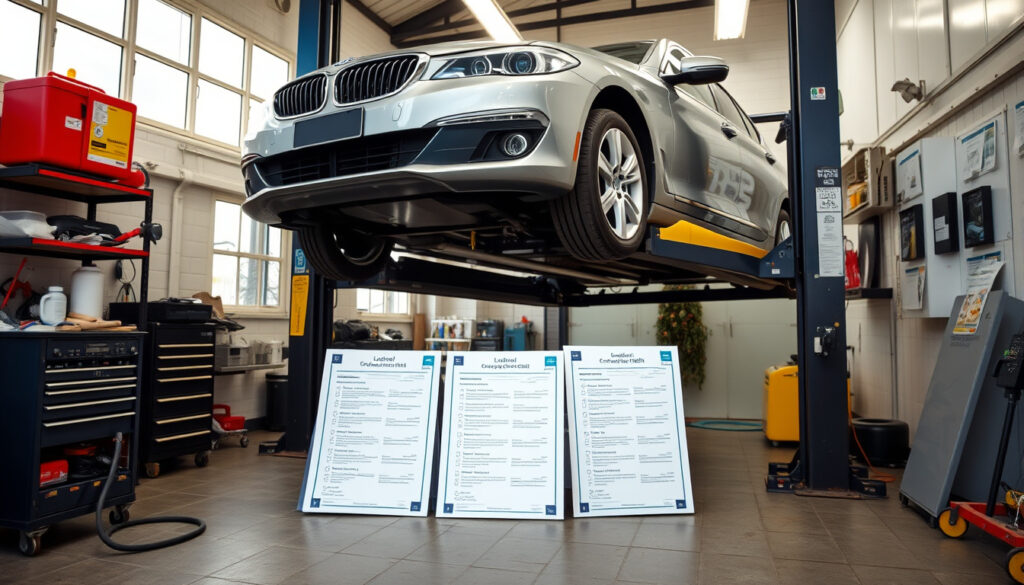
Roadworthy Certificate Near Me: Complete Victoria Guide
Published: 15 January 2024
Updated: 15 January 2024
Australian Report
In Victoria, a roadworthy certificate serves as official confirmation that a vehicle meets minimum safety standards required for use on public roads. This document plays a critical role in vehicle transactions, registration renewals, and compliance with state regulations. For anyone selling, buying, or re-registering a vehicle in Victoria, understanding how and where to obtain this certificate represents an essential step in the process.
The certificate must be issued by a licensed vehicle tester approved by VicRoads, and the inspection covers specific safety components determined by the state’s vehicle standards guidelines. Drivers searching for a roadworthy certificate near them need to know what the process involves, what it costs, how long the certificate remains valid, and which inspection items receive attention during the evaluation.
This guide provides comprehensive information about roadworthy certificates in Victoria, from locating a licensed tester to understanding exactly what the inspection covers and how results affect vehicle sales and registration.
Where Can I Get a Roadworthy Certificate Near Me?
Finding a licensed roadworthy certificate provider starts with knowing which businesses are authorised to conduct inspections and issue official certificates. VicRoads maintains an official directory of approved testers across Victoria, including metropolitan areas and regional centres. These licensed operators include dedicated roadworthy testing centres, automotive service stations, and approved mechanical workshops that meet VicRoads certification requirements.
Examples of established licensed testers include Total Car Care Centre, which services passenger vehicles, four-wheel drives, and small trucks, along with Ballarat Roadworthy Centre and similar facilities operating in regional areas. Vehicle owners can search for nearby options through the official VicRoads roadworthy page to locate the closest authorised provider.
Key Insights About Roadworthy Certificates in Victoria
- Only VicRoads-licensed vehicle testers can legally issue roadworthy certificates; regular mechanics without this authorisation cannot provide the document
- The inspection focuses strictly on safety standards and does not evaluate the vehicle’s overall mechanical reliability or condition
- Common reasons for inspection include selling a used vehicle, re-registering after an expired registration period, or clearing a defect notice issued by authorities
- Exemptions exist for transfers to immediate family members and licensed motor vehicle traders, where a certificate may not be required from the seller
- Brakes, tyres, lights, steering, and suspension components represent the areas most frequently examined during an inspection
- Older vehicles over 10 years typically incur higher costs due to additional checks and higher failure rates
- Failure during inspection requires repairs before a certificate can be issued, with re-inspection fees applying for subsequent attempts
| Fact | Details |
|---|---|
| Mandatory For | Vehicle sales, registration renewals after more than 3 months lapse, defect notice clearance |
| Valid For | 30 days from date of issue |
| Average Cost | $150–$300 depending on vehicle and tester |
| Inspector Type | VicRoads-licensed vehicle tester only |
| Scope | Safety only; not an overall condition assessment |
| Authority | Administered by VicRoads under Vehicle Standards Information (VSI) 26 |
| Exemptions | Transfers to family members or licensed traders |
| Failure Consequence | Repairs required before re-inspection |
What Is a Roadworthy Certificate and Do I Need One?
A roadworthy certificate in Victoria functions as an official declaration that a specific vehicle has been examined by an authorised tester and meets the minimum safety standards required for operation on public roads. The document confirms compliance with standards defined in VicRoads’ Vehicle Standards Information (VSI) 26, which outlines the technical requirements that vehicles must satisfy.
When a Roadworthy Certificate Is Required
Several situations mandate obtaining a roadworthy certificate. The most common scenario involves selling a used vehicle, where the seller must provide the buyer with a valid certificate before or at the time of transfer. Registration renewals also frequently require the certificate, particularly when a vehicle has been unregistered for more than three months. Vehicle owners receiving a defect notice from authorities must obtain a roadworthy certificate to clear that notice and demonstrate compliance.
Interstate vehicles being registered in Victoria for the first time also generally require a roadworthy inspection. Commercial vehicles such as taxis may face additional requirements beyond standard passenger vehicle standards.
When You May Not Need One
Certain transactions exempt the seller from providing a roadworthy certificate. Transfers to immediate family members fall outside the requirement, as do sales to licensed motor vehicle traders who operate in the business of buying and selling vehicles professionally. Vehicles already registered and not being sold typically do not need a current roadworthy certificate unless specifically required by VicRoads for administrative purposes.
A roadworthy certificate confirms that a vehicle meets safety standards but does not guarantee mechanical reliability or fitness for long-term use. The inspection covers specific safety-critical components rather than evaluating the vehicle as a whole.
How Much Does a Roadworthy Certificate Cost?
The cost of obtaining a roadworthy certificate in Victoria varies considerably depending on several factors. Standard inspection fees typically fall between $150 and $300 for most passenger vehicles, though the exact amount depends on the vehicle type, its age, overall condition, and the specific testing centre chosen.
Older vehicles exceeding ten years of age frequently attract higher inspection fees due to the greater likelihood of wear and the additional checks required to assess aged components. Vehicles requiring extensive repairs to meet standards may incur costs substantially above the base inspection fee.
Beyond the initial inspection fee, vehicle owners must budget for potential repair costs should the inspection identify defects. Testers generally provide quotes for any required work before repairs proceed. Re-inspection fees apply if a vehicle fails the initial assessment and requires another visit after completing repairs.
Vehicle age above 10 years, significant wear on tyres or brakes, and control arm issues commonly increase total costs beyond the base inspection fee. Contacting a licensed tester beforehand for a quote helps avoid unexpected expenses.
Budgeting for Your Roadworthy Inspection
When planning for a roadworthy certificate, consider both the inspection fee and potential repair costs. Basic maintenance items like tyre condition, brake function, and light operation represent common areas where pre-inspection attention can reduce the risk of failure and additional charges.
Several factors influence the final cost: the specific tester selected, vehicle age and type, current condition of key safety components, and whether any failures require re-inspection. Calling ahead to discuss the vehicle and obtain a preliminary quote provides the most accurate cost estimate before committing to an appointment.
How Long Is a Roadworthy Certificate Valid?
The validity period for a roadworthy certificate in Victoria extends for exactly 30 days from the date of issue. This timeframe applies regardless of the type of vehicle, the tester who conducted the inspection, or the purpose for which the certificate is being used.
This 30-day window creates important considerations for vehicle transactions and registration processes. Sellers must ensure their certificate remains within the validity period when transferring ownership to a buyer. Buyers need to verify the certificate’s expiration date before completing a purchase, as an expired certificate cannot be used for registration purposes and would require obtaining a new one.
For registration renewals and administrative processes, the certificate must remain valid at the time of submission to VicRoads. If the 30-day period expires before the registration process completes, vehicle owners must obtain a fresh inspection and certificate.
Certificates older than 30 days cannot be used for any official purpose, including vehicle sales or registration. Plan accordingly to ensure your certificate remains valid through the entire transaction or administrative process.
Renewal Considerations
The concept of a roadworthy certificate renewal does not technically exist in Victoria. Each certificate functions as a standalone document valid for a single 30-day period. Vehicle owners cannot extend or renew an existing certificate; they must complete a new inspection and obtain a fresh document if the original has expired.
For ongoing needs such as regular vehicle sales or registration renewals that occur frequently, vehicle owners should time their inspections to align with anticipated transaction dates. Booking an inspection too early risks expiration before the sale completes, while waiting too long creates unnecessary stress and potential delays.
What Does a Roadworthy Inspection Check?
The roadworthy inspection conducted in Victoria follows the requirements outlined in VicRoads’ Vehicle Standards Information (VSI) 26. Licensed testers examine specific safety-critical components rather than evaluating the vehicle’s overall mechanical condition or reliability. The inspection focuses on elements that directly affect safe operation on public roads.
Key Components Examined
Testers inspect wheels and tyres for appropriate tread depth, acceptable condition, and properly matched rims. Tyre condition represents one of the most frequently checked items, as worn or damaged tyres present significant safety risks. The inspection verifies that all tyres meet minimum legal requirements and are properly mounted.
Steering and suspension systems receive examination for proper functionality and absence of excessive wear. Testers look for signs of deterioration, unusual play in steering components, and proper operation of suspension parts. Faulty steering or compromised suspension can lead to loss of vehicle control and represents a serious safety concern.
The braking system undergoes thorough assessment, including operation of brake components, condition of brake lines, and functionality of all associated parts. Brake failures represent a leading cause of inspection failures, making this component area particularly important to address before seeking inspection.
Seats and seat belts must be secure, fully functional, and free from damage. Testers verify that seatbelts retract and latch properly, that seats are firmly anchored, and that no structural damage compromises occupant safety systems.
Additional Inspection Areas
Lighting and reflectors undergo comprehensive testing, with all lights required to function correctly including headlights, tail lights, brake lights, turn indicators, and interior illumination. Non-functioning lights represent a straightforward cause for inspection failure.
The windscreen and windows must present no obstructions and contain no damage that impairs driver visibility. Cracks, chips in the driver’s line of sight, and other visibility impairments commonly result in failure.
Testers also examine the body and chassis for evidence of severe rust or structural damage that could compromise vehicle integrity. The exhaust system must have no leaks, operate within acceptable noise parameters, and meet emissions requirements.
Mirrors receive inspection to confirm they are properly mounted, undamaged, and provide adequate rearward visibility as required by safety standards.
Before attending a roadworthy inspection, verify that all lights function, check tyre tread depth, test brakes, and ensure the windscreen is free from significant damage. Addressing these common failure points beforehand improves the likelihood of passing on the first attempt and reduces overall costs.
Pass and Fail Criteria
A vehicle passes inspection when all checked components meet the standards specified in VSI 26. Passing vehicles receive a roadworthy certificate valid for 30 days. Vehicles that fail inspection cannot receive a certificate and must complete repairs on identified defects before returning for re-inspection.
Common failure reasons include faulty brakes, inoperable lights, worn tyres below minimum tread requirements, steering defects, and structural deterioration. The tester provides a written list of all defects found, allowing vehicle owners to prioritise repairs appropriately.
What Happens During the Roadworthy Inspection Process?
The roadworthy inspection process follows a structured sequence from initial booking through to receiving the certificate or identifying necessary repairs. Understanding this process helps vehicle owners prepare appropriately and know what to expect at each stage.
- Booking the appointment: Contact a licensed vehicle tester to schedule an inspection appointment. Provide accurate vehicle details including make, model, year, and registration information when booking.
- Vehicle presentation: Bring the vehicle to the testing location at the scheduled time. Ensure the vehicle is clean enough for visual inspection and that all registration and identification documents are available.
- Physical inspection: The licensed tester conducts the examination, checking all specified safety components per VicRoads requirements. Inspections typically take between 30 and 60 minutes depending on vehicle complexity.
- Outcome determination: If the vehicle passes all checks, the tester issues the roadworthy certificate. If defects are found, the tester documents each issue and provides guidance on required repairs.
- Repairs (if applicable): Address all identified defects at a mechanic of your choice. Repairs can be completed anywhere; they do not need to be performed by the testing centre.
- Re-inspection (if applicable): Return the vehicle to the testing centre after repairs for re-assessment. A separate re-inspection fee applies for this additional visit.
- Certificate receipt: Upon passing inspection, receive the roadworthy certificate which remains valid for 30 days from the date of issue.
After obtaining the certificate, sellers provide it to buyers during vehicle transactions. For registration purposes, the certificate gets submitted along with other required documentation to VicRoads for processing transfer or renewal.
Bring your vehicle registration papers and identification to the inspection. Having documentation ready speeds up the process and ensures the tester can complete administrative requirements efficiently.
What Is Established and What Remains Uncertain?
When researching roadworthy certificates in Victoria, certain information stands firmly established while other aspects may vary or remain less clearly defined. Understanding this distinction helps vehicle owners set accurate expectations and make informed decisions.
| Established Information | Information That May Vary |
|---|---|
| Roadworthy certificates are mandatory for vehicle sales in Victoria unless exemptions apply | Exact inspection costs vary between different licensed testers and locations |
| Only VicRoads-licensed vehicle testers can issue valid certificates | Availability of testers in specific regional or rural areas may differ |
| Certificates remain valid for exactly 30 days from issue date | Specific repair costs depend on the nature and severity of identified defects |
| The inspection follows VSI 26 standards for safety-critical components | Wait times for appointments vary based on tester availability and demand |
| Failure requires repairs before re-inspection can occur | Some inspection interpretations may vary slightly between different testers |
| Exemptions exist for family transfers and licensed traders | Typical timeframes for completing repairs before re-inspection depend on workshop availability |
Factors That Influence Variation
Vehicle age significantly influences inspection outcomes, with older vehicles tending to require more frequent repairs and generating higher overall costs. Location also plays a role, as metropolitan areas typically offer more testing options and potentially more competitive pricing than regional centres.
The specific tester conducting the inspection can affect minor aspects of the assessment, though all licensed testers work to the same VicRoads standards. Major defects such as brake failures or structural issues represent clear failures regardless of which tester performs the assessment.
Why Victoria Requires Roadworthy Certificates
Victoria has maintained roadworthy certificate requirements for vehicles since the 1970s as part of broader road safety legislation. The system exists to ensure that vehicles operating on public roads meet minimum safety standards that protect both vehicle occupants and other road users from preventable accidents.
The requirement creates accountability in vehicle transactions, particularly in the private sale market where buyers may lack the expertise to evaluate vehicle safety independently. By requiring sellers to obtain professional inspection before transfer, the system provides buyers with an additional layer of confidence regarding the vehicle’s roadworthiness at the time of sale.
Statistical evidence from testing centres indicates that brake failures and tyre condition represent the most common reasons for inspection failure. By establishing clear standards and requiring corrections before vehicles change hands, the roadworthy certificate system helps remove dangerous vehicles from circulation and encourages ongoing maintenance awareness among vehicle owners.
For registration renewals, the roadworthy requirement ensures that vehicles returning to active use after extended periods of inactivity meet current safety standards. This proves particularly relevant for vehicles that have been off the road for extended periods, where component deterioration may have occurred unnoticed.
Authoritative Sources for Roadworthy Certificate Information
Several official sources provide authoritative guidance on roadworthy certificate requirements and processes in Victoria. These sources represent the most reliable references for vehicle owners seeking accurate, up-to-date information.
The roadworthy certificate confirms that a vehicle has been inspected by an authorised tester and meets the minimum safety standards required for registration in Victoria.
— VicRoads official definition
Consumer Affairs Victoria provides detailed guidance on roadworthy requirements within the context of vehicle buying and selling transactions. Their resources help both buyers and sellers understand their obligations and rights during vehicle transfers.
VicRoads maintains the primary regulatory framework for roadworthy certificates, including the Vehicle Standards Information (VSI) 26 document that specifies exactly what testers must examine. The official VicRoads roadworthy page provides updated information on requirements, approved testers, and administrative processes.
For detailed information on requirements and what to expect during the inspection process, the Roadworthy Testing Requirements and Certification guide provides comprehensive coverage from established testing centres.
When in doubt about specific requirements or to confirm current regulations, consult the official VicRoads website directly or contact a licensed vehicle tester for guidance. Regulations may be updated, and direct confirmation ensures compliance with current requirements.
Finding a Roadworthy Certificate Provider Near You
Locating a suitable roadworthy certificate provider involves using official directories and understanding the criteria that qualify businesses to conduct inspections. The process has become more streamlined with online tools provided by VicRoads, allowing vehicle owners to search for licensed testers by location.
When selecting a provider, consider factors including proximity to your location, availability of appointment times, experience with your vehicle type, and transparent pricing. Established testing centres often provide clear information about their services and can offer preliminary guidance over the phone before you commit to an appointment.
Reading more about the complete process helps ensure you arrive prepared with all necessary documentation and your vehicle in the best possible condition for inspection.
Related stories





Liam O'Brien covers Australian politics and public affairs for Aussie Report.